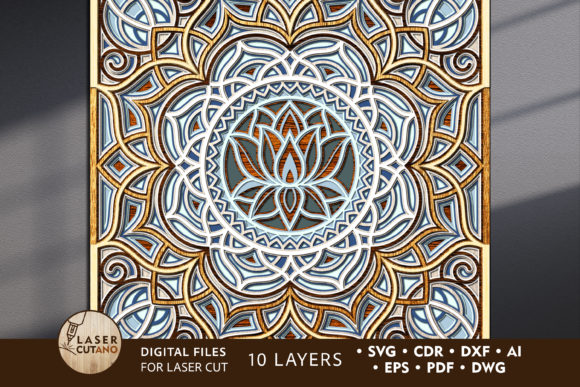
Transform Your Space with a Multilayer Cut File MANDALA
There is something profoundly calming about the symmetry and intricate detail of mandala art. For decades, these geometric patterns have served as tools for meditation and mindfulness. Today, that same sense of peace can be integrated directly into your living space through modern fabrication techniques. A Multilayer Cut File MANDALA is not just a digital asset; it is a blueprint for creating stunning, three-dimensional wall decor that turns any room into a personal sanctuary. Whether you are a hobbyist with a desktop cutter or a professional running a CNC router, these files offer a gateway to producing high-end interior design pieces without the need for advanced sculpting skills.
Beyond Flat Decor: The Power of Depth and Shadow
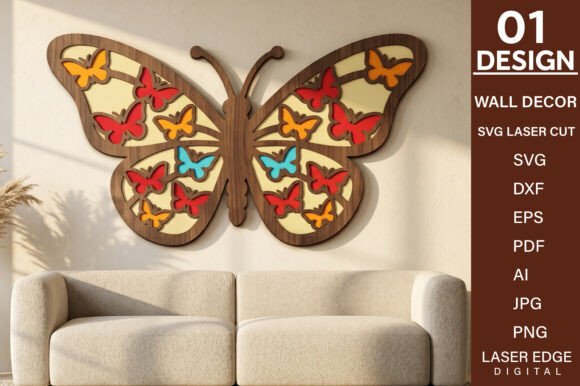
Traditional wall art often falls flat, literally and figuratively. A single sheet of paper or a printed canvas lacks the tactile presence that draws the eye and invites contemplation. The magic of a multilayer layout lies in its ability to create depth. By stacking ten distinct layers, each slightly different in shape or cutout pattern, you create shadows and highlights that change throughout the day as natural light moves across the room. This dynamic quality makes the artwork feel alive.
When you choose to design your home with mandala art decor, you are choosing a focal point that commands attention without being chaotic. The repetitive, radial nature of the mandala provides visual order, which the human brain finds inherently soothing. In a busy household or a high-stress office environment, having a visual anchor that promotes tranquility can significantly impact the mood of the space. The finished product, typically measuring 15 x 15 inches, is large enough to make a statement yet compact enough to fit in various settings, from above a bedside table to the center of a gallery wall.
Versatility Across Materials and Machines
One of the greatest strengths of these digital multilayer layout files is their compatibility with a wide range of cutting technologies. They are specially prepared for laser cutters, CNC routers, and even consumer-grade machines like Cricut or Silhouette. This versatility means that the barrier to entry is low, but the ceiling for creativity is incredibly high.
For those working with wood, plywood and MDF are excellent choices. They offer structural integrity and a warm, organic aesthetic that pairs beautifully with the geometric precision of the mandala. When using materials with a thickness between 3 mm and 6 mm (approximately 1/8 inch to 1/4 inch), the layers have substantial presence. Acrylic and plexiglas offer a more modern, sleek look, especially if you opt for translucent colors that allow light to pass through the gaps between layers. For a delicate, ephemeral feel, heavy cardstock or paper can be used, though this requires more careful handling during assembly.
It is important to note that while you can increase the size of the design to create a massive statement piece, reducing the size requires caution. The thin elements within the intricate patterns may become too fragile to cut cleanly or assemble easily if scaled down too far. Always test cut a small section if you plan to deviate significantly from the recommended 15 x 15 inch dimensions.
The Creative Process: From Digital File to Physical Art
Working with a Multilayer Cut File MANDALA involves a straightforward but rewarding workflow. After payment, you gain access to a .zip file containing formats such as .AI, .SVG, .DXF, .DWG, .CDR, .EPS, and .PDF. This broad compatibility ensures that whether you use Adobe Illustrator, CorelDRAW, AutoCAD, or free vector software, you can open and manipulate the files with ease. Remember to unzip the folder before attempting to use the files to ensure all data is accessible.
The assembly process is where the true customization happens. Each of the ten layers is designed to be glued together, building up the 3D effect. A pro tip for achieving a professional finish is to paint or stain each layer before gluing them together. Trying to paint the nooks and crannies of an assembled 3D object is frustrating and often results in uneven coverage. By painting individual sheets first, you can experiment with color gradients. For instance, you might choose a dark navy for the base layers and progressively lighter shades of blue for the top layers, creating a subtle ombre effect that enhances the perception of depth.
Ideal Use Cases and Audiences
Who benefits most from these laser cut files? The audience is diverse, ranging from DIY enthusiasts to small business owners.
- Home Decor Enthusiasts: If you love updating your living space but dislike mass-produced decor, these files allow you to create custom pieces that match your exact color palette and style. You can create a series of mandalas in varying sizes to create a cohesive theme throughout your home.
- Etsy Sellers and Crafters: Handmade, layered wood art is a popular niche on online marketplaces. Using pre-designed multilayer layouts saves hours of design time, allowing you to focus on production and marketing. The high perceived value of 3D wooden art allows for healthy profit margins.
- Yoga Studios and Wellness Centers: Mandalas are synonymous with mindfulness. Installing large, laser-cut mandala walls in studios creates an immediate atmosphere of calm and focus for clients. The texture and shadow play add a level of sophistication that printed posters cannot achieve.
- Gift Givers: A handmade mandala is a thoughtful, personalized gift. Because you can choose the materials and colors, you can tailor the piece to the recipient’s taste, making it a unique keepsake for weddings, housewarmings, or birthdays.
Practical Considerations for Best Results
While the process is accessible, there are common pitfalls to avoid. First, consider the adhesive. Standard white glue can warp thin materials like paper or thin plywood if applied too heavily. Use a fine-tip applicator or a spray adhesive for even distribution. For wood and acrylic, cyanoacrylate (super glue) or specialized wood glues provide strong bonds without excessive moisture.
Second, think about mounting. A ten-layer structure has weight and depth. Ensure you use appropriate hanging hardware. For heavier materials like hardwoods or thick acrylics, French cleats or sturdy D-rings are safer than simple adhesive strips. If you are using lighter materials like cardboard or paper, a simple frame with a mat board backing can provide the necessary support and a clean, finished edge.
Finally, embrace the learning curve. Your first attempt might not be perfect. Layers might not align perfectly, or you might discover that a certain material cuts differently than expected. These are part of the creative journey. Many creators find that the second or third attempt yields a masterpiece, as they refine their technique for painting, gluing, and alignment.
By integrating a Multilayer Cut File MANDALA into your projects, you are not just making decor; you are engaging in a meditative process of creation. The result is a piece of art that carries the energy of its maker and the serene geometry of the mandala, turning your home or workspace into a true sanctuary. Whether you are looking to sell your creations or simply enhance your own environment, these digital files provide the foundation for endless creative expression.